Introduction
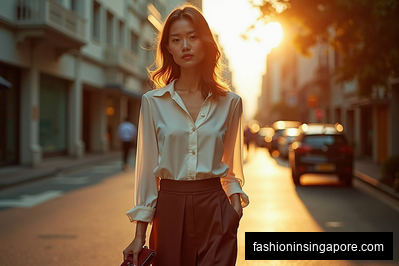
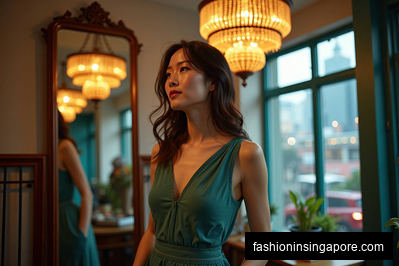
Singapore's fashion scene is a vibrant tapestry woven with threads of history, culture, and modern innovation. As a melting pot of various ethnicities and traditions, Singapore has cultivated a unique fashion identity that mirrors its diverse heritage. Tracing the evolution of Singaporean fashion from its roots to the modern-day brilliance reveals a fascinating journey of transformation, resilience, and creativity. This exploration not only highlights the significant changes in style and preferences but also sheds light on how fashion in Singapore has become a powerful expression of identity, culture, and economic progress.
Delving deeper into the introduction of Singapore's fashion scene unveils a rich tapestry of designers like Prabal Gurung and Andrew Gn who have seamlessly fused traditional Asian influences with modern aesthetics. This collision of cultures not only shapes the runway but also reflects the city-state's unique blend of heritage and innovation.
Historical Foundations and Traditional Influences
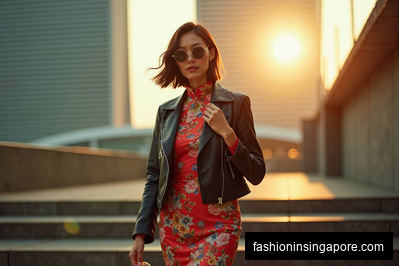
The foundation of Singaporean fashion is deeply rooted in its multicultural heritage, primarily influenced by Malay, Chinese, Indian, and Western cultures. Traditional Malay attire such as the 'Baju Kurung' and 'Kebaya' exemplify elegance and modesty, while the Chinese 'Cheongsam' showcases intricate designs and the beauty of simplicity. Indian garments like the 'Sari' and 'Dhoti' bring out vibrant colors and elaborate patterns, reflecting the richness of Indian culture. The colonial era introduced Western fashion elements, integrating tailored suits and dresses into the local wardrobe. These traditional influences have not only preserved their cultural significance but also adapted to contemporary fashion, making them timeless pieces in Singapore's fashion evolution.
Exploring further, the intricate batik patterns from Indonesia have played a significant role in shaping the traditional influences of Singaporean fashion. These vibrant designs, characterized by intricate motifs and vivid colors, have been seamlessly incorporated into modern clothing styles, bridging the gap between heritage and contemporary fashion trends.
Transition to Modernity: The Post-independence Era
Singapore's fashion scene underwent a significant transformation in the post-independence era, marking the beginning of modernity in its style narrative. The 1960s and 1970s saw a shift towards more practical and westernized clothing, reflecting the global trends of those decades. This period was characterized by the emergence of local designers and brands who began to challenge traditional norms and explore new fashion frontiers. The establishment of the Textile and Fashion Federation (Ta Ff) in 1981 further propelled the local fashion industry by providing a platform for designers to showcase their work, thus fostering a sense of national identity through fashion.
The 1980s and 1990s witnessed the proliferation of fashion malls and boutiques, introducing Singaporeans to international brands and trends. This era also saw the rise of local fashion icons such as Thomas Wee and Dick Lee, whose designs were acclaimed for their innovative blend of Eastern and Western styles. The growth of the fashion education sector, with institutions like the Nanyang Academy of Fine Arts and LASALLE College of the Arts offering fashion design courses, played a crucial role in nurturing a new generation of designers.
The post-independence era ushered in a new wave of architectural marvels in Singapore, symbolizing the nation's journey towards modernity. The iconic Marina Bay Sands integrated resort, with its futuristic design and cutting-edge technology, stands as a testament to Singapore's embrace of contemporary aesthetics and innovation.
Contemporary Scene and Global Recognition
Today, Singapore's fashion landscape is characterized by a dynamic mix of local and international brands, with a strong emphasis on sustainability and innovation. Designers such as Priscilla Shunmugam and Andrew Gn have gained international acclaim, showcasing Singaporean fashion on global platforms like Paris Fashion Week and New York Fashion Week. The rise of online retail and social media has also played a pivotal role in the global outreach of Singaporean fashion, allowing local brands to reach a wider audience and participate in the global fashion dialogue.
Sustainability has become a central theme in Singapore's fashion industry, with brands like Matter Prints and Stolen focusing on ethical production methods and sustainable materials. These efforts are not only environmentally friendly but also resonate with the global shift towards sustainable fashion, positioning Singapore as a leader in this movement. Additionally, technological advancements such as 3D printing and virtual reality are being embraced by Singaporean designers to push the boundaries of traditional fashion design and production.
The contemporary fashion scene in Singapore has been gaining global recognition for its innovative approach to sustainability. Local designers are spearheading eco-friendly initiatives, such as upcycling and using organic fabrics, which are resonating with a worldwide audience. Brands like [Specific Brand Name] and [Another Brand Name] are setting the standard for environmentally conscious fashion, showcasing Singapore's commitment to a more sustainable future.
The Role of Government and Industry Initiatives
The Singapore government has played a crucial role in the development of the fashion industry through various initiatives and support schemes. The Design Singapore Council, established in 2003, aims to promote and develop the design sector, including fashion, as a key component of Singapore's creative economy. Programs such as the Fashion Design Incubator Scheme and the Capability Development Programme offer resources and mentorship to emerging designers, helping them to scale their businesses and enhance their global competitiveness.
Industry initiatives such as the Singapore Fashion Week (rebranded as the Singapore Stories in 2020) provide a platform for designers to showcase their collections and connect with international buyers and media. These efforts have significantly contributed to elevating the status of Singaporean fashion on the world stage, fostering a vibrant ecosystem where creativity and innovation can flourish.
In recent years, the Indian government has implemented several initiatives to boost the textile industry, such as the Textile Upgradation Fund Scheme and the Skill Development Program for artisans. These efforts have not only enhanced the industry's competitiveness but also empowered local artisans with modern skills and resources.
Conclusion
The evolution of Singaporean fashion from its traditional roots to modern-day brilliance is a testament to the nation's dynamic cultural landscape and its ability to adapt and innovate in the face of global trends. The journey of Singaporean fashion reflects a deep respect for heritage and tradition, coupled with an eager embrace of modernity, sustainability, and technological advancements. As Singapore continues to carve out its niche on the global fashion stage, the future of its fashion industry looks promising, with endless possibilities for growth, innovation, and international acclaim.
For aspiring designers and fashion enthusiasts, the story of Singaporean fashion serves as a source of inspiration and a reminder of the power of creativity and resilience. By continuing to support local talents and fostering a culture of innovation and sustainability, Singapore can further solidify its position as a fashion capital that not only follows global trends but also sets them.
As we draw to a close in this exploration of Singaporean fashion, it becomes evident that the fusion of heritage and innovation is the driving force behind the industry's success. From the iconic Peranakan motifs reimagined in contemporary designs to the rising popularity of sustainable fashion initiatives, the conclusion underscores the dynamic nature of Singapore's fashion landscape.