
Introduction
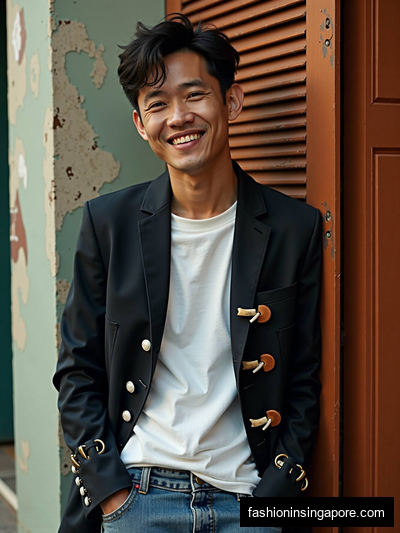
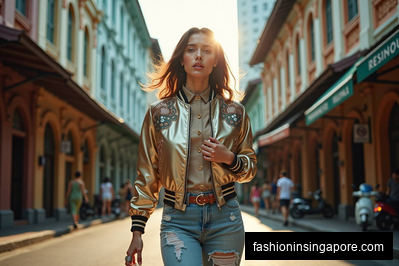
Singapore's fashion industry is a vibrant tapestry of innovation, tradition, and bold experimentation. At the heart of this dynamic sector are the designers who are redefining the boundaries of style and sustainability. This article delves into the creative minds of Singapore's leading fashion designers, unveiling their inspirations, challenges, and visions for the future of fashion. Through exclusive interviews, we gain unprecedented access to the behind-the-scenes workings of these creative powerhouses.
In this dynamic introduction to Singapore's fashion scene, we delve deeper into the intricate fusion of traditional craftsmanship with modern design concepts. From iconic Peranakan motifs influencing contemporary prints to the innovative use of sustainable fabrics in local designer collections, the industry continues to push boundaries while honoring its rich heritage. Embracing diversity and creativity, Singapore's fashion landscape sets a remarkable stage for emerging talents and established brands alike.
The Creative Process
Every designer has a unique approach to the creative process, but all share a common dedication to craftsmanship and innovation. For instance, Priscilla Shunmugam of Ong Shunmugam, is known for her modern reinterpretation of traditional Asian wear. She begins her process with extensive research into historical garments, followed by a contemporary twist that respects tradition while pushing boundaries. Andrew Loh and Kenny Lim of DEPRESSION, another leading Singaporean brand, take inspiration from their personal experiences and societal observations, translating complex emotions into avant-garde designs.
These designers emphasize the importance of sustainability in their creation process. For example, Elyn Wong of STOLEN, an advocate for sustainable fashion, incorporates eco-friendly materials and processes into her designs, ensuring that each piece not only looks good but is also kind to the planet. This commitment to sustainability is a growing trend among Singapore's fashion designers, reflecting a broader shift in the industry towards more responsible practices.
For many designers, the creative process is akin to a journey filled with twists and turns, where ideas evolve and transform at each stage. Take the initial spark of inspiration, for instance - it may start as a mere concept but gradually morph into a fully realized design through iterative refinement and experimentation. This dynamic process of ideation and iteration is what fuels the passion and excitement that designers bring to their craft.
Navigating Challenges
The path to success in the fashion industry is fraught with challenges. One of the most significant obstacles for Singaporean designers is the small domestic market. To overcome this, many have turned to international platforms to showcase their work. Charles & Keith, now a global accessory brand, started as a small shoe store in Singapore. The founders, Charles and Keith Wong, leveraged online retailing early on, reaching customers worldwide and transforming their local business into an international success story.
Another challenge is the intense competition from both local and international brands. Designers like Sabrina Goh have carved a niche for themselves by consistently offering innovative designs that reflect a unique aesthetic. Goh's label, ELOHIM, blends architectural silhouettes with soft, feminine details, creating a distinctive style that stands out in a crowded market.
Navigating challenges in the fashion industry requires a keen understanding of ever-evolving trends, consumer preferences, and technological advancements. For instance, staying ahead in sustainable fashion involves not just creating eco-friendly designs but also effectively communicating these initiatives to the target audience amidst greenwashing concerns. Additionally, navigating the complexities of global supply chains and ethical sourcing practices demands a strategic approach to ensure transparency and accountability at every stage of production.
The Role of Technology
Technology plays a pivotal role in the evolution of fashion design. Singaporean designers are at the forefront of integrating technological advancements into their work, from digital fabrication techniques to e-commerce platforms. For instance, the use of 3D printing has allowed for more intricate and experimental designs, as seen in the work of Amos Ananda Yeo, who incorporates 3D-printed elements into his streetwear collections.
E-commerce has also been a game-changer, providing designers with direct access to a global audience. The ability to sell online has enabled small labels to bypass traditional retail barriers, reaching customers far beyond Singapore's shores. This digital shift has been instrumental in the growth of local brands, allowing them to compete on an international stage.
In the realm of fashion design, technology continues to shape innovative pathways. From 3D printing enabling intricate fabric structures to AI algorithms predicting trends, the fusion of creativity and tech opens new dimensions for designers. Singaporean fashion tech startups like Style Theory revolutionize the industry with their rental model, leveraging data-driven insights to cater to ever-evolving consumer demands. This synergy underscores how technology propels the evolution of design in unprecedented ways.
Looking Towards the Future
The future of Singapore's fashion industry is bright, with designers continuing to push the envelope in terms of creativity, sustainability, and technological integration. There is a growing emphasis on ethical practices, with more designers sourcing materials responsibly and embracing fair labor practices. This shift towards sustainability is not just a trend but a necessary evolution to address global environmental challenges.
Innovation in fabric technology also presents exciting possibilities. Designers are experimenting with new materials that offer greater sustainability and functionality, such as biodegradable fabrics and textiles engineered to regulate body temperature. These advancements promise to redefine the way we think about and wear clothing, making fashion not only more sustainable but also more adaptive to our needs.
As we look towards the future of Singapore's fashion industry, one can't help but anticipate the innovative sustainable practices that are set to revolutionize the sector. With a growing emphasis on eco-conscious designs, we can expect to see more local designers embracing upcycling techniques and using eco-friendly materials like organic cotton and recycled fabrics. This shift towards sustainability not only reflects a commitment to environmental responsibility but also paves the way for a more ethical and socially conscious fashion landscape.
Conclusion
Singapore's leading fashion designers are charting a new course for the industry, one that honors tradition while embracing innovation and sustainability. Through their creative processes, they navigate challenges with resilience and leverage technology to broaden their reach. As they look towards the future, their work continues to inspire and influence, shaping a more sustainable and inclusive fashion landscape. It's an exciting time for fashion in Singapore, with designers not just making a mark locally but also on the global stage. Their stories of perseverance, innovation, and dedication serve as a beacon for aspiring designers everywhere, proving that with passion and commitment, it's possible to redefine the boundaries of fashion.
The insights gleaned from these exclusive interviews offer a rare glimpse into the minds of those who shape Singapore's fashion scene. Their journeys highlight the importance of creativity, sustainability, and technology in forging a successful path in the fashion industry. For anyone looking to make their mark in fashion, these designers' experiences provide valuable lessons in resilience, innovation, and the relentless pursuit of one's vision.
In conclusion, Singapore's fashion landscape is embracing a blend of tradition and innovation, exemplified by designers who are redefining the industry. From incorporating sustainable practices to promoting cultural heritage through modern designs, these visionaries are setting a new standard for the future of fashion. The conclusion of this transformative journey showcases a vibrant and diverse fashion scene that continues to evolve, inspiring both local and international audiences.